
We bring the stories home.
Films about the ocean and the people who work with it. Real science, told by the people doing it.
Ocean science usually reaches people as a paper almost nobody reads, or a film with a narrator talking over it. We think there is a better way: sit the person down, and let the science come with the story.
The audience should finish a film knowing a person, not a set of facts.What we are building toward
Two marine researchers who missed being creative.
We spend our working lives around wild scenery and remarkable people: reefs most will never see, and scientists, divers and crews whose stories are extraordinary and almost never recorded by anyone.
Be there for the first one.
One short email when a film goes live, with the science note that goes with it. Nothing else, and no more than twice a month.
An education and
conservation initiative.
Coralight connects people to coral reefs through science, art and action, generating measurable support for biodiversity research and protection.
A studio, not a channel.
Coralight makes ocean storytelling and science communication. Voices of the Reef is our first series and the main thing we are building right now, but Coralight is the studio around it, deliberately made to hold more than one project as we grow.
Everything we make follows the same rule: real science, carried by real people, in a form that someone outside the field would actually choose to watch or read.
Where the name comes from
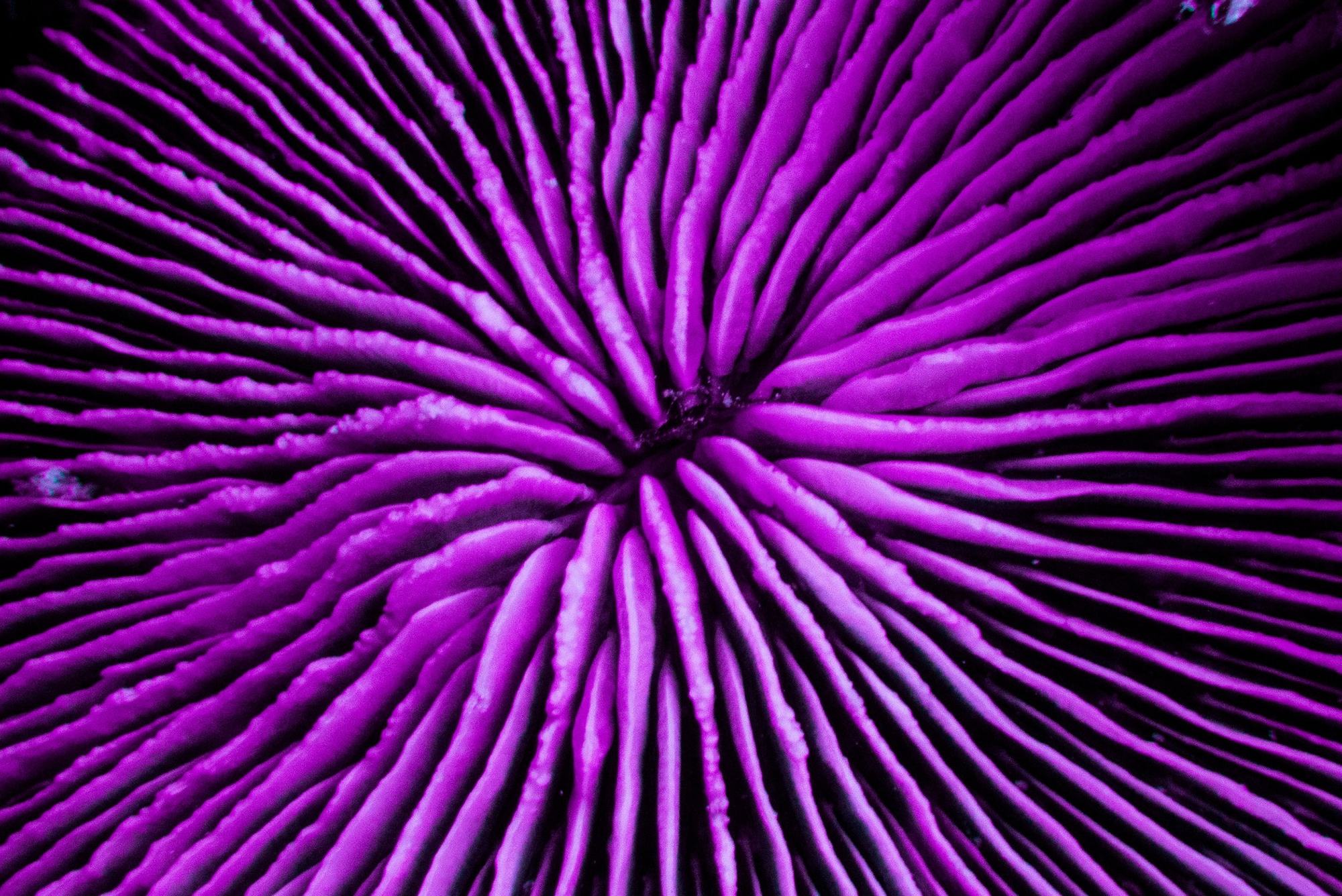
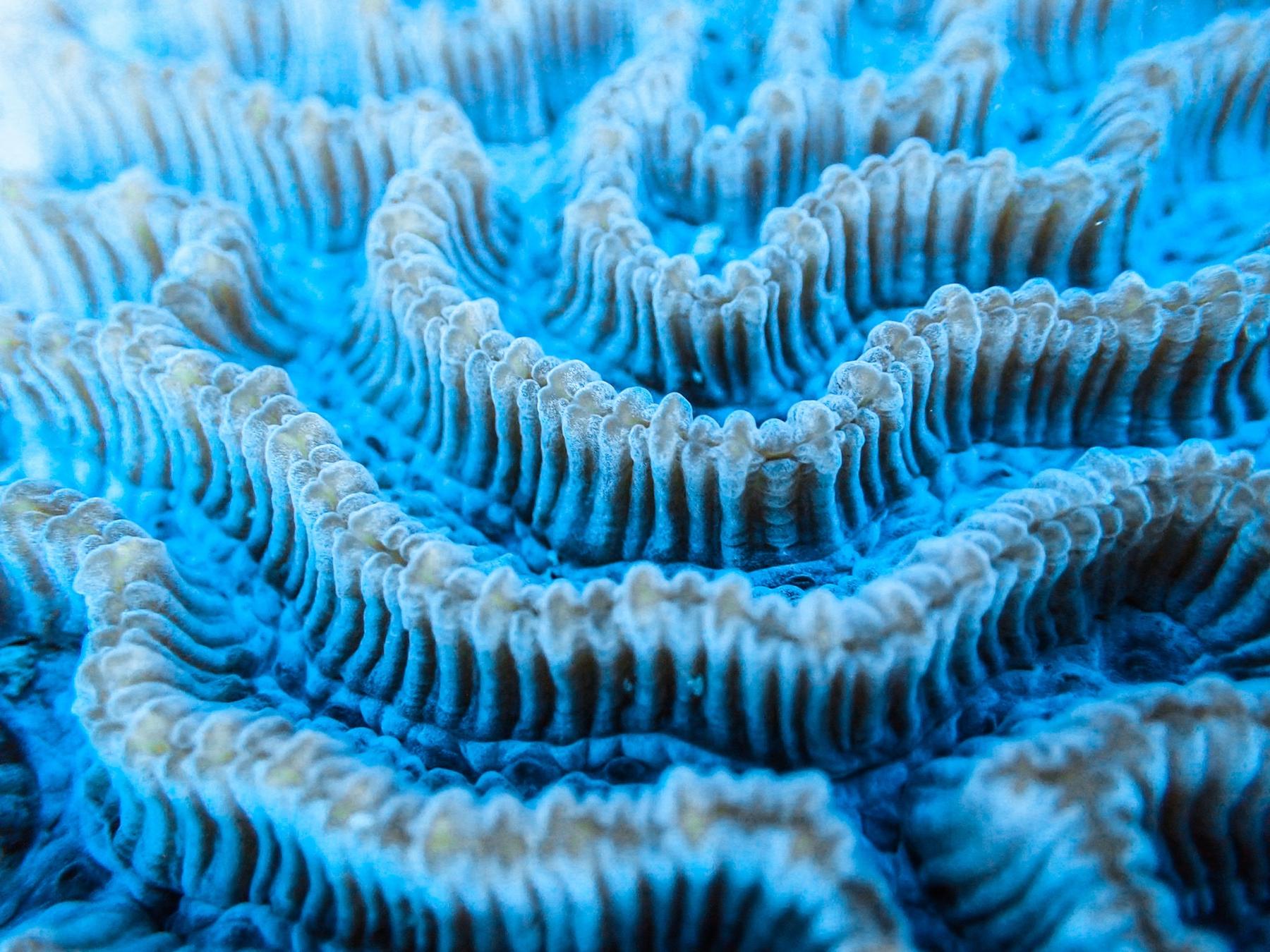
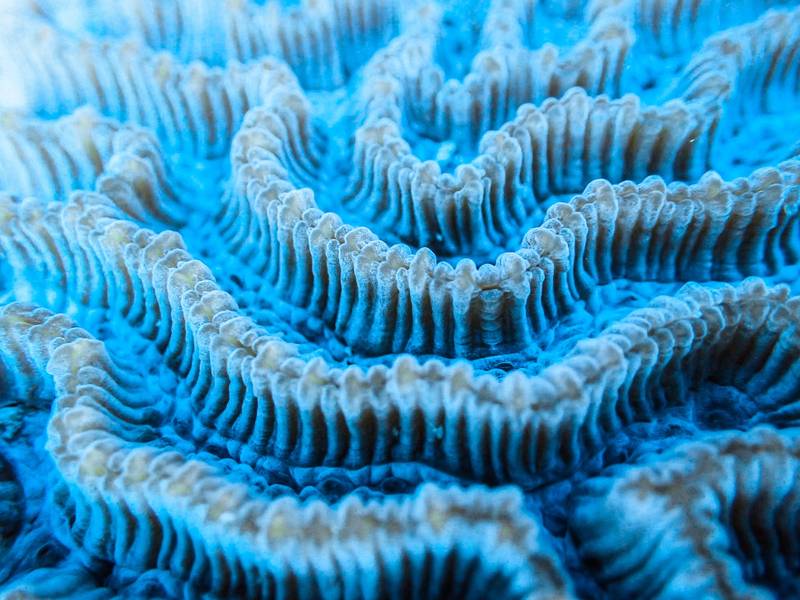
The Coralight mark draws on the hidden anatomy of a reef-building coral, the radial symmetry of its septacostae, a structure shaped by light and life. Each colony is built by thousands of tiny corallites, and their intricate patterns hold the clues scientists use to tell one species from another.
Why it matters now
Reefs are changing faster than public understanding of them. Shining light on the detail, and on the people studying it, is how that gap closes. We aim to shine light to conserve and protect.
How we work
Small, self-funded and slow enough to do it properly. We would rather make a handful of films worth watching than a lot of content nobody remembers. Every subject sees their film before anyone else does.
How we make
the films.
A few standards we hold ourselves to, so you know what to expect from a Coralight film and how we treat the people in them.
Good science communication is mostly about restraint.
Most of the decisions that make a film trustworthy are decisions about what not to do: not to overstate, not to tidy away the complications, not to make the story about ourselves. These are the ones we have written down.
The person is the story, not us
Every film is built so that the person in front of the camera is the one you remember. We are not the subject, and we keep ourselves out of the frame.
We keep the uncertainty in
Where a question is genuinely open, or researchers take different views, the film says so. Presenting an open question as a settled one makes for a cleaner story and a less honest one.
Accuracy is checked with the person
Everyone we film sees their episode before it goes out, and has the final word on whether the science in it is fairly represented. If we have got something wrong, we fix it.
Their words, not our narration
No voiceover explaining people to the audience. What you hear is what they said, in the order that makes sense of their story rather than the order that makes the best soundbite.
Fewer films, made properly
We would rather release one film worth watching than three that fill a schedule. The pace is set by how long it takes to do the work well.
Why write this down
Partly so the people we film know what they are agreeing to, and partly so we can be held to it. Standards that stay in your head are easy to quietly drop when a deadline is close.
Voices of the Reef
Filmed interviews with people who work on or around the reef. One person, one story, one piece of science you did not know before.
Ocean science reaches people two ways.
Neither of them works.
Dense papers almost nobody reads, or big documentaries with a narrator's voice over the top. Neither shows the actual people doing the work, and neither builds much trust between the public and scientists.
Voices of the Reef is the bridge. Each film is one person, telling their own story in their own words, and carrying one clear piece of science with them. If you like the person and you learned something true, the episode did its job. If it only managed one of those, it did not.
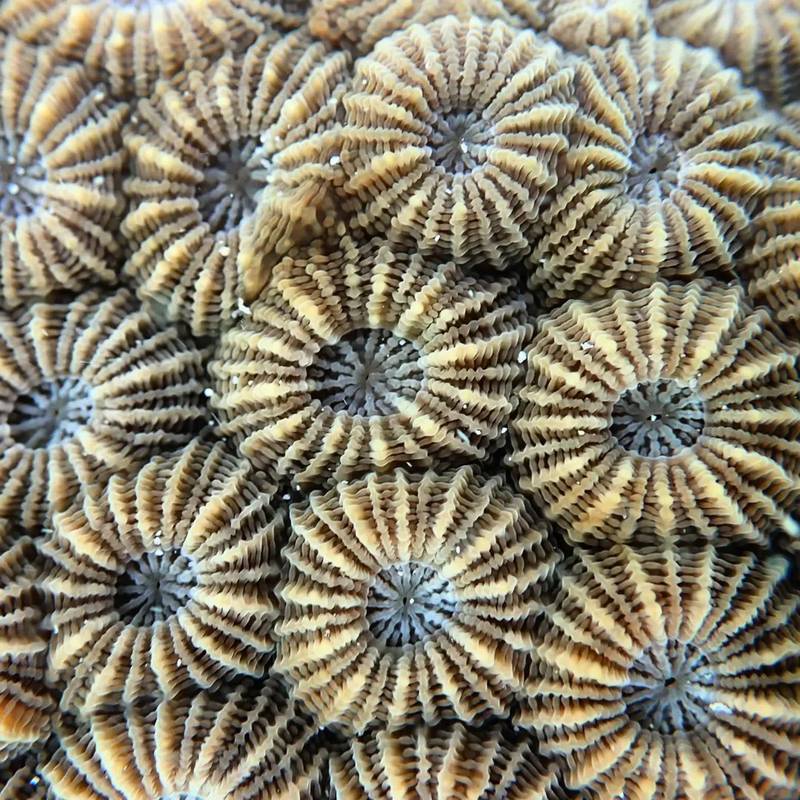
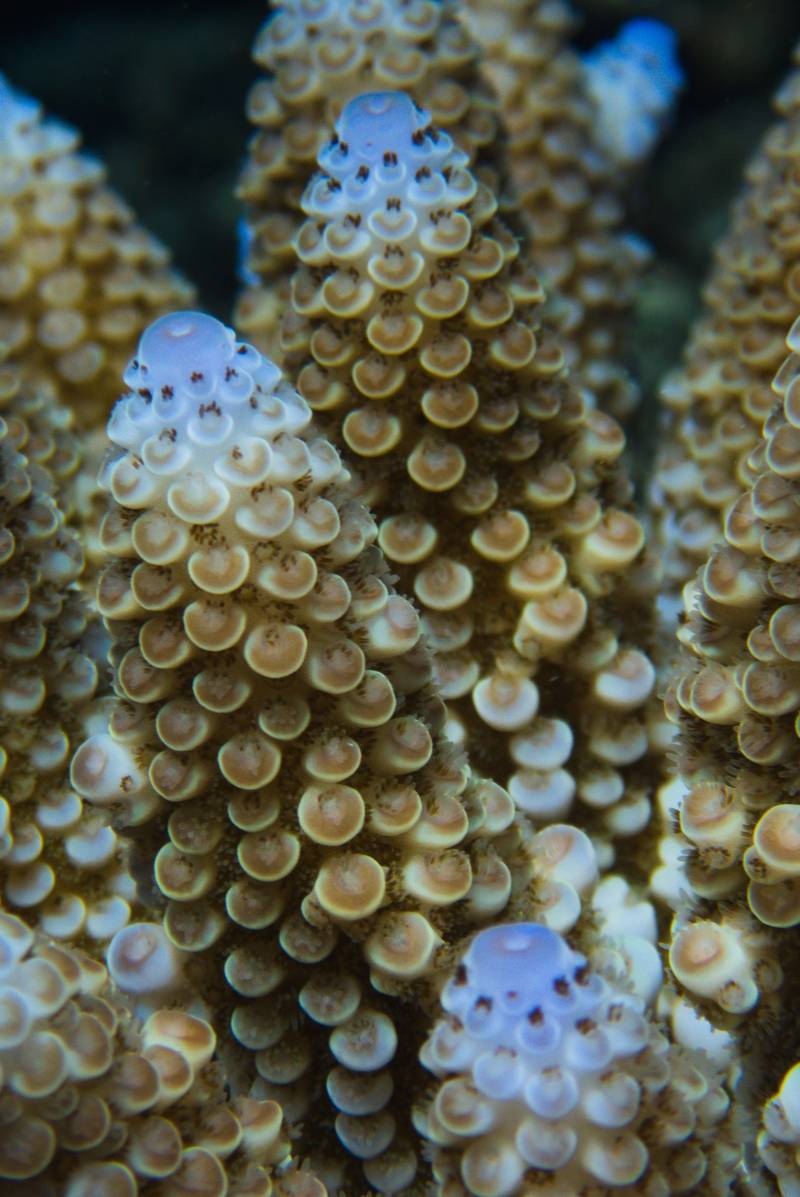
The first films are on their way. Full films live on YouTube; short cuts go to Instagram and TikTok.
 Coming soon
 Coming soon
 Coming soon
Get an alert when a new episode lands.
One short email when a film goes live, with the science note that goes with it. Nothing else, and no more than twice a month.
Good questions
Questions that get past the standard answers and get the person talking properly.
The problem
What they were up against: the main difficulty or setback.
What they did
How they dealt with it, or what changed.
What they learned
What they took from it, one science fact stated plainly, and the point the episode ends on.
The research,
in plain English.
Every film carries one piece of real science. Here it is written out, explained without jargon, and linked to the original papers so you can read them yourself.
A film can only carry so much.
Most ocean science sits behind journal paywalls and technical language, which means the people it matters most to rarely get to read it. Each note takes the science from one film, explains what it actually says, states honestly what it does not, and links straight to the paper.
Free to read, free to use in a classroom, and written so you do not need a degree to follow it.
Published with the first film
Each note follows the same shape: what the research found, what it means in ordinary language, what it does not prove, and where to read the original. If a study is paywalled we will say so and point to an open version where one exists.
Read the paperPlain language, real sources
No jargon without explanation, no claim without a citation. Where scientists disagree, we say that rather than pretending the question is settled.
For teachers and students
These notes are free to use in classrooms and coursework. If you want a particular topic covered, or a film explained at a specific level, get in touch and we will see what we can do.
Words, as well
as film.
Essays, articles and published research. Some stories are better read than watched, and some of the work behind the films belongs on the page.
Not everything fits in ten minutes.
A film can carry a person and one clear idea. It is a poor place for an argument that needs working through, or for research that deserves to be read properly. This is where the written side of Coralight collects: our own essays, pieces published elsewhere, and the peer-reviewed work behind what we make.
Essays
Longer pieces on reefs, fieldwork and what it is like to work on something that is changing faster than we can describe it.
Articles
Writing published elsewhere, in magazines, journals and other outlets, collected here with links to the original.
Research
Peer-reviewed papers by the two of us, with a plain-English line on what each one actually found.
The first piece is being written.
New writing will appear here as it is published. If you would like to know when, the film alerts include it.
Writing for us
We are open to commissioning pieces from scientists and writers who work with the ocean, particularly where the subject suits words better than film. Get in touch if you have something in mind.
Two researchers,
two cameras.
Two coral scientists who decided the stories around them were worth recording properly.

Dr Nora von Xylander
Coral biologist. Her PhD at the University of St Andrews, between the Scottish Oceans Institute and the Schools of Biology and Earth & Environmental Sciences, looked at the biochemistry of reef-building corals: the lipids, sterols and fatty acids that sit behind how a coral feeds, grows and copes with heat.
Her fieldwork took her to Mo'orea in French Polynesia, comparing corals at five and twenty-five metres to work out why some are more sensitive to bleaching than others. She has since worked as a biodiversity and sustainability scientist, on marine habitat restoration and on a case study of coral bleaching in Mauritius.
She brings the second pair of eyes to every Coralight film, and the insistence that the science in it is right.
Charlotte Dale
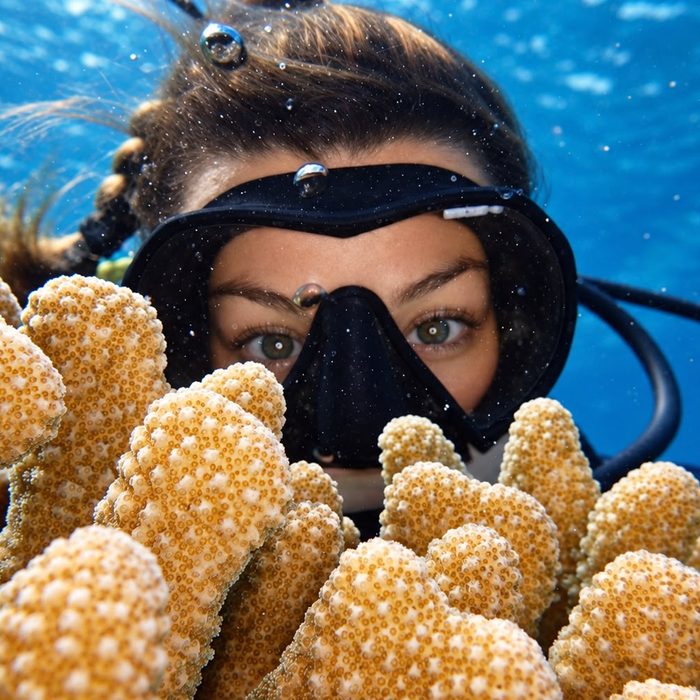
Coral taxonomist. Her PhD, between James Cook University and Queensland Museum Tropics, works on the phylogenomics and biogeography of Acropora in the Western Indian Ocean: using genomics to work out which corals are actually distinct species, and where they are.
Before that came four years of coral restoration in the Seychelles, covering thermotolerance, outplanting methods, spawning, reef soundscapes and underwater surveys, plus fieldwork across the Western Indian Ocean and the Great Barrier Reef.
She brings the access, the people and the questions. Coralight started after one too many field seasons spent around stories nobody was ever going to record.
This is not a channel about science made by people outside it.
Coralight is made by two working coral scientists. Between us that is a decade of reef fieldwork across the Western Indian Ocean, French Polynesia and the Great Barrier Reef, two PhDs, and a habit of asking the next question. It means we can tell when a story is being oversimplified, and we know the people worth filming.
How we split the work
Neither of us is the director and neither of us is the assistant. One brings the access and the science, the other a second eye and second instinct on every decision. The films exist because there are two of us making them.
Know someone
worth filming?
Coralight runs on people. If you have a story, want to work with us, or want to support the films, this is where to start.
Nominate someone
Scientist, diver, skipper, curator, ranger. If their work matters and nobody has told their story, tell us about them.
Send a nominationBe a guest
If you work with the ocean and would sit down on camera for an hour, we would like to hear from you.
Get in touchCommission a film
We make films for research groups, NGOs and institutions who want their work told properly rather than turned into a promo.
Discuss a projectWork with us
Funders, institutions and collaborators: we are happy to talk about supporting a film or a series. Formal support routes will open once Coralight is registered.
Start a conversationGet an alert when a new episode lands.
One short email when a film goes live, with the science note that goes with it. Nothing else, and no more than twice a month.